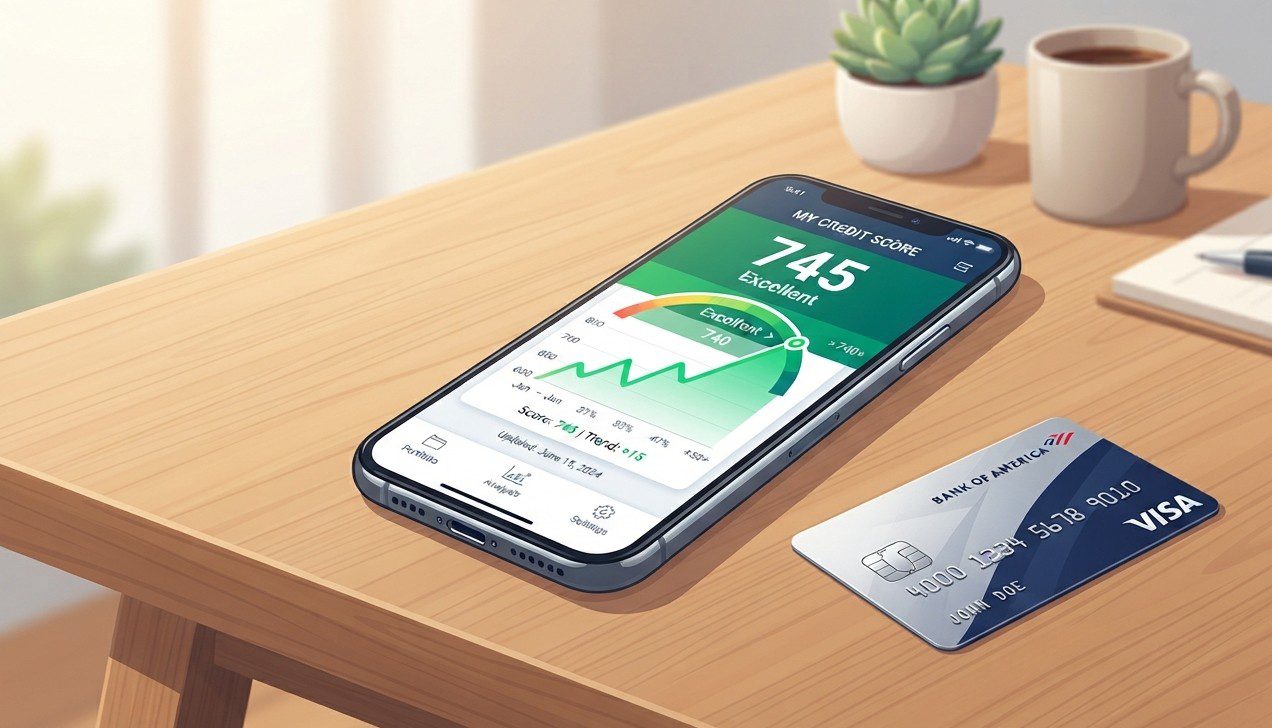
Whether you are renting an apartment, applying for a mortgage, or setting up a cell phone plan, your credit score is one of your most important financial credentials in Canada.
Because credit histories from other countries do not automatically transfer to Canada, all newcomers start with a fresh slate. Here is how you can establish and build a strong Canadian credit score fast.
1. Understanding the Canadian Credit Rating Scale
In Canada, credit scores range from 300 to 900 and are calculated by two primary credit bureaus: Equifax and TransUnion.
- 760 to 900 (Excellent): Unlocks the best interest rates for mortgages and auto loans.
- 720 to 759 (Very Good): Easily qualifies for premium credit cards and competitive loan terms.
- 660 to 719 (Good): The baseline score recommended for standard apartment rentals and basic loans.
- Below 600 (Fair to Poor): May require guarantors, security deposits, or higher interest rates.
2. Action Steps to Reach 700+ Within 12 Months
Building credit requires consistency and disciplined financial habits:
- Get a Secured or Newcomer Credit Card: Most major Canadian banks offer newcomer packages that include a starter credit card with no prior Canadian credit history required.
- Keep Utilization Below 30%: If your credit limit is $1,000, try to keep your reported balance under $300 at all times. High credit utilization hurts your rating.
- Set Up Automatic Bill Payments: Payment history accounts for roughly 35% of your credit score. Never miss a payment deadline for utility bills, phone plans, or credit cards.
- Avoid Applying for Multiple Cards at Once: Each official credit application triggers a “hard pull” on your record, which temporarily lowers your score.
3. Connecting Credit to Long-Term Housing Goals
A high credit score is essential when transitioning from renting to homeownership:
- Securing Rental Leases: Landlords across major Canadian cities require a recent credit check before approving tenant lease agreements.
- Preparing for First-Home Purchases: When you are ready to buy a home, pair your high credit score with specialized tax savings accounts—see our guide on 🔗 FHSA vs HBP to maximize your tax deductions.
- Review Tax Slips for Loan Approvals: Mortgage lenders also review reported employment income—review our 🔗 T4 Slip Breakdown to understand key income reporting boxes.
- Manage Official Accounts Online: Verify your registered savings contribution rooms prior to borrowing through your secure 🔗 CRA My Account Setup.
4. Frequently Asked Questions (FAQ)
How long does it take to generate a credit score in Canada?
It generally takes 3 to 6 months of active credit activity (such as using a credit card and paying it off) for credit bureaus to generate your initial credit score.
Does checking my own credit score hurt my rating?
No. Checking your own score via free services (like Borrowell, Credit Karma, or your mobile banking app) is considered a “soft inquiry” and does not affect your score.
💬 Editor’s Note & Personal Insights
Pay off your credit card balance in full every single month! You do not need to pay interest or carry a balance to build an excellent credit score in Canada.
Leave a Reply